Entrustable Professional Activities: An E-Course for Pathology Faculty on Building Competency in Postgraduate Education

Empowering Pathology Educators to Build Competence with Purpose and Precision

Instructor: KCIAPM School of PathologyLanguage: English

About the course

Description:

Entrustable Professional Activities: An E-Course for Pathology Faculty on Building Competency in Postgraduate Education is a comprehensive program crafted for pathology faculty across all experience levels who are engaged in postgraduate training. This course empowers educators to design, validate, and implement Entrustable Professional Activities (EPAs), laying the groundwork for competency-based education in pathology as mandated by the National Medical Comission.

Through a blend of synchronous and asynchronous activities—including interactive sessions, guided discussions, and practical exercises—participants will gain hands-on experience in creating validated EPAs relevant to areas like histopathology, cytopathology, and hematopathology. The course also provides essential skills in EPA assessment and practical strategies for integrating EPAs into existing curricula, addressing common challenges along the way.

Engage with a network of peers and expert facilitators, and discover the tools, insights, and techniques needed to elevate the standards of pathology training in postgraduate education.

What you will learn:

Gain insights into EPA development
Learn how to create effective Entrustable Professional Activities tailored for postgraduate pathology students as per the National Medical Commission's guidelines for Competency Based Education.

Perform Validation of the designed EPAs
Validating EPAs to ensure their reliability and effectiveness in assessing trainees' competence.

Assess readiness for independent practice
Understand how to use EPAs to evaluate trainees' preparedness for transitioning to independent practice in the field of pathology.

Develop Strategies for overcoming challenges

In-depth Discussion on challenges of implementing an EPA- based curriculum. 

Application Process

Application Period: Applications for the course open on November 15, 2024, and will remain open until December 10, 2024.

Selection and Intimation: Selected applicants will receive an intimation of acceptance by December 15, 2024.

Payment Deadline: To confirm your place, please complete payment by December 25, 2024.

Enrollment: Once payment is received, you will be officially enrolled as a participant in the course.


Syllabus

Who Should Enroll? 

This course is ideal for pathology faculty members in medical colleges and program directors involved in postgraduate training who want to enhance their expertise in competency-based education through EPAs. 

 Participant number: Limited to 20

Preference will be given to pathology faculty who have an ongoing postgraduate program in their medical college.

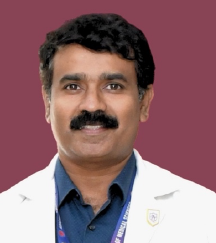
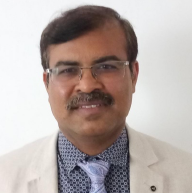
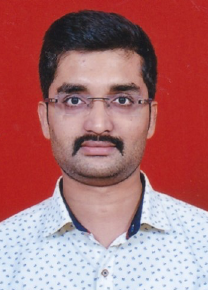
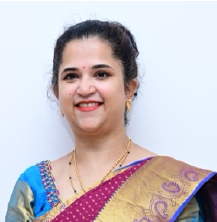
MEET OUR TEAM

Course Director

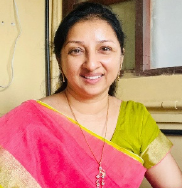
Dr Reshma Kini

Professor, FMMC, Mangaluru

Module Lead Faculty

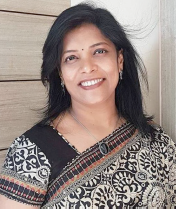
Dr Munira Hirkani

Additional Professor, Physiology

Seth G.S Medical College,

Mumbai

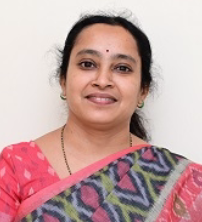
Dr Nisha J Marla

Professor, Pathology

FMMC

Mangaluru

Dr Sunita Patil

Professor, Pathology

JNMC, KAHER

Belagavi

Dr Shailaja S

Professor and Head, Emergency Medicine

FMMC

Mangaluru

Module Co-Lead Faculty

Dr Vijay Shankar S

Professor, Pathology

AIMS, BG Nagara

Dr. Sueallen Lorna D'Souza

Senior Resident , 

Pathology

FMMC,

Mangaluru

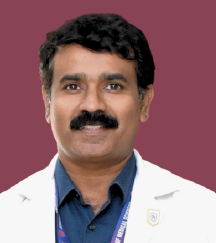
Dr Kishan Prasad H L

Professor, Pathology

KSHEMA, Mangaluru

Dr Suresh T N

Professor, Pathology

SDUMC. Kolar

Adjunct faculty

Dr Prashant R

Assistant Professor, Pathology

FMMC, Mangalore

Dr Chandni Bhandary P

Assistant Professor, Pathology

FMMC, Mangalore

Course Fees


Rs 5000

Non-KCIAPM Members

Discounted Introductory Price

Click to Apply

Rs 4000

KCIAPM Members

Discounted Introductory Price

CLICK TO APPLY

Frequently Asked Questions

1. What are Entrustable Professional Activities (EPAs), and how are they used in postgraduate pathology education?

EPAs are specific tasks that postgraduate trainees should be able to perform independently by the end of their training. EPA- based curriculum is one of the ways of implementing Competency Based Education for postgraduates. This course will teach you how to design, validate, and implement the EPAs to ensure competency in pathology.

2. Who is this course intended for?

This course is designed for pathology faculty engaged in postgraduate education at all levels, including new comers, experienced faculty, and even professionals who may not be currently affiliated with a medical school but are interested in improving the quality of postgraduate training.

3. I’m new to EPAs and competency-based education. Will I be able to keep up with the course?

o Yes! The course is structured to support participants with varying levels of experience. We start with foundational concepts, ensuring that everyone has a solid understanding before moving on to more advanced topics.

4. Is this course relevant if I’m already familiar with competency-based education?

o Absolutely. For those with experience, the course offers in-depth, practical applications of EPAs specifically tailored to pathology. You'll gain advanced skills in EPA validation, assessment, and integration within existing curricula.

5.     What are the main components of the course?

o The course includes a combination of synchronous sessions, where you’ll engage with instructors and peers in real-time, and asynchronous activities that allow for flexible, self-paced learning. Interactive sessions, practical exercises, and hands-on EPA development are central to the curriculum.

5.     What are the main components of the course?

o The course includes a combination of synchronous sessions, where you’ll engage with instructors and peers in real-time, and asynchronous activities that allow for flexible, self-paced learning. Interactive sessions, practical exercises, and hands-on EPA development are central to the curriculum.

6. How long does the course take to complete, and what is the weekly time commitment?

o The course is structured around 12 sessions, each lasting 1.5 to 2 hours, There will be two sessions per month. .Additionally, you will need time for asynchronous activities. Expect a weekly commitment of around 1-2 hours. The course duration is six months.

7. Will there be any assessments or projects during the course?

o Yes, participants will engage in formative assessments, including hands-on EPA design and validation exercises. These are designed to help you apply the concepts learned and receive feedback to enhance your understanding.

8. How will this course help me integrate EPAs into my current teaching curriculum?

o This course includes practical strategies for EPA integration and addresses common challenges. By the end, you’ll have developed an actionable plan for incorporating EPAs into your program, supported by the tools and methods covered.

9. Do I need to have a specific background in pathology to benefit from this course?

o While principles of EPA design and implementation are applicable across specialties in this course, we are focused on developing EPAs for postgraduate pathology in lines with the National Medical Commission’s guidelines hence it is limited to pathologists only.

10. What materials will I need for this course, and will any resources be provided?

All necessary course materials, including readings, templates, and exercises, will be provided. You will need internet connection to access the course and attend the synchronous sessions. Attendance using a laptop is highly desirable to enable engaging in hands on sessions

11.     Will I receive a certificate upon completion?

o Yes, participants who complete all course requirements will receive a certificate within a month of course completion on fulfilling, which can be used for professional development purposes.

12. How can I contact support if I have technical difficulties?

o Technical support will be available throughout the course. Contact information and support resources will be provided at the start of the course.

13. What if I miss a synchronous session? Will recordings be available?

o Recordings of synchronous sessions will be available, so you can catch up on any sessions you may miss. Additionally, you may contact the program director for assistance.

14. Is there a way to provide feedback on the course experience?

o Yes, feedback from participants is highly valued and will be collected through surveys and discussions. This helps us continually improve the course for future cohorts.

15. What are the prerequisites for receiving a course completion certificate?

o Module Completion: Participants must complete all modules, including both synchronous and asynchronous components. o Active Participation: Engage in at least 80% of synchronous sessions, including participation in discussions, group activities, and Q&A segments. o Assignment Submission: Submit all required assignments, such as the design and validation of an EPA and any associated assessment tasks. o Quizzes and Formative Assessments: Complete and pass all quizzes and formative assessments with a minimum score (e.g., 70%) to demonstrate understanding of key concepts. o Course Evaluation Submission: Submit feedback through the session and course course evaluation form to provide insights for course improvement. Reflection Activity: Complete a reflection exercise summarizing the learning experience and outlining how the skills gained will be applied in their educational practice

What do we offer

Live learning

Learn live with top educators, chat with teachers and other attendees, and get your doubts cleared.

Structured learning

Our curriculum is designed by experts to make sure you get the best learning experience.

Community & Networking

Interact and network with like-minded folks from various backgrounds in exclusive chat groups.

Learn with the best

Stuck on something? Discuss it with your peers and the instructors in the inbuilt chat groups.

Practice tests

With the quizzes and live tests practice what you learned, and track your class performance.

Get certified

Flaunt your skills with course certificates. You can showcase the certificates on LinkedIn with a click.

Dr Reshma Kini

is a Professor of Pathology at Father Muller Medical College, Mangaluru, where  she also serves as the Head of the Cytology Division and Quality Manager for the hospital’s laboratory  and the president elect of Father Muller Alumni Association. With an MBBS from JSS Medical College,
Mysore, and an MD in Pathology from Father Muller Medical College, Dr. Reshma has over 16 years of  teaching experience, including 13 years dedicated to postgraduate education. Her professional training
includes an international course in Health Research Methodology conducted by St. Johns Medical  College and McMaster University, certifications in Competency-Based Medical Education, Clinical
Simulation, and the Advanced Course in Medical Education, International Lead auditors training for ISO  15189:2022.She has completed an international course in Entrustable Professional Activities (EPAs)  under Prof. Olle ten Cate and is currently pursuing a FAIMER fellowship from GSMC FAIMER
Regional Institute, Mumbai. Dr. Reshma has contributed extensively to medical education as a resource  faculty for over 40 faculty development workshops regionally and nationally. She is also faculty for the  international course- Ins and Outs of EPAs working alongside the program director Prof. Olle ten Cate.
She has held organizing roles in numerous conferences. Her publications include over 20 journal articles  and contributions to the book EPA Navigator, as the editor, as well as a chapter in A Linker Case Primer.
Dr. Reshma has been recognized with the David Sackett Memorial Award for outstanding performance  in Health Research Methodology and has received multiple awards for her academic contributions and
creativity in the field of pathology. She is a voracious reader, and her other interests include dancing and  painting. She is life member of KCIAPM, Association of Health Professions of India and the Indian
Academy of Cytology

Dr Munira Hirkani

Additional Professor of Physiology at Seth G.S. Medical College, Mumbai,  is a prominent figure in competency-based medical education (CBME). As Associate Director of the  GSMC FAIMER Regional Institute and faculty member for the I-FACE FAIMER CBE program, she has
significantly contributed to medical education training worldwide. She co-leads NMC workshops on  curriculum and assessment and has been a key faculty member for NCHPE workshops since 2013. Dr.
Hirkani’s leadership includes roles in MCI’s Expert Group on Early Clinical Exposure and MUHS’s Task  Force for Assessment. A recipient of the GSMC FAIMER Fellowship (2010), she currently serves as the
treasurer for the Academy of Health Professions Education. Her areas of special interest in medical  education include feedback and reflections, experiential learning, program management evaluation,
curriculum planning, and competency-based medical education.
She served as a member of the MCI Expert Group on Early Clinical Exposure in 2019, contributing to the  ECE Module published by MCI (now NMC). She is also a member of the Task Force for Assessment and
Blueprinting at the Maharashtra University of Health Sciences, responsible for the MBBS and Dental  curriculum.
Dr. Hirkani has also contributed chapters, including "Large Group Teaching: Lecture as a Teaching Tool"  in the 3rd edition of The Art of Teaching Medical Students by Bhuiyan PS, Rege NN, and Supe AN, and 
"Postgraduate Seminars: Honing Your Teaching Skills" in the first edition of Essential Skills for  Postgraduates in Dentistry by Sabita M. Ram and Richard Pereira.  She is a widely published author in the fields of Physiology and Health Professions Education.

Dr Nisha Marla

Professor, Dept of Pathology, Father Muller Medical College
She has experience of more than 20 years in teaching undergraduates and postgraduates. She has  successfully mentored several students in competitions and presentations across the country to win
accolades for the institution. Her leadership roles include heading the women empowerment cell,  coordinator for the Medical Laboratory Technology Course in Father Muller college of Allied Health
Sciences, Jeeva Raksha Instructor and Technical manager of histopathology with successful  implementation of ISO 15189 technical requirements. She is a qualified PhD guide.
Dr. Marla has worked as observer at Tata Memorial Hospital Mumbai. She has numerous publications to  her credit.
Dr. Marla has resource faculty for faculty development programs on EPAs and her interests lie in  validation of EPAs using the Equal rubric She has co-edited the book EPA Navigator and contributed the
chapter on validation.

Dr Sunita Patil

is a Professor of Pathology at J.N. Medical College, Belagavi.
She is a FAIMER fellow and currently serves as the Director of the University Department of Education  for Health Professionals (UDEHP) at KLE Academy of Higher Education and Research, Belagavi,
Karnataka. She is a former member of the Reconciliation Board of the Medical Council of India (now the  National Medical Commission), where she was a core member involved in curricular reforms,  particularly in designing the CBME Undergraduate Medical Curriculum implemented in 2019. She  contributed to the competency book published by MCI for the new CBME curriculum.
Dr. Patil has contributed chapters to textbooks on Medical Education and Medical Humanities. She was  invited by NCISM (National Commission for Indian System of Medicine) as an expert to develop a
structure and plan for implementing Faculty Development Programs across the country for Ayurveda,  Siddha, Unani, and Sowa Rigpa (ASUS) faculty.
She is the former Convenor of the MCI Nodal Centre for Faculty Development at J.N. Medical College,  Belagavi, and is a National Faculty member for the "Basic and Advanced Course in Medical Education"
by the National Medical Commission. Dr. Patil has served as a resource person for over 250 state,  national, and international educational programs in Pathology and Medical Education. She has 31
publications to her credit, along with numerous research paper presentations and awards for best papers  at various forums.

Dr Shailaja S

is the Professor and former Head of Emergency Medicine in Father Muller Medical  College. Her leadership roles include serving as Head of the Emergency Medicine Department since  2019, where she oversees clinical and educational initiatives. As Simulation Curriculum and Research  Director at the Father Muller Skills and Simulation Centre, she has developed curriculum and training for  high-fidelity simulation, organizing workshops on CBME implementation and disaster management. Her  administrative responsibilities also include her membership in the Medical Education Unit since 2016,
serving on both the Code Blue and Code Yellow emergency response committees, and acting as the  Course Coordinator for the Emergency Medicine Technology course set to launch in December 2023.An
AHA-certified instructor for Basic, Pediatric, and Advanced Life Support, Dr. Shailaja has led training in  trauma life support and psychosocial support in emergencies. She has also published studies on resident  satisfaction and simulation in medical education, contributing to journals like the Indian Journal of
Anaesthesia. Additionally, Dr. Shailaja is a reviewer for medical journals, including Anaesthesia Pain  and Critical Care, and is a member of professional associations such as the Society for Healthcare
Simulation and the Association of Health Professions India. Her work reflects a strong   dedication to  enhancing emergency medical education and competency-based training in India.

Dr Vijay Shankar S

Professor at Adichunchanagiri Institute of Medical Sciences, B G Nagara,  completed his MBBS at Bangalore Medical College and MD at Vijayanagara Institute of Medical  Sciences, Bellary. With extensive publications in national and international journals, he has also
completed the Advanced Course in Medical Education (2020) and the International Online Course on  Entrustable Professional Activities (2024).He served as Head of the Pathology Department (2015-2022)
and has held key positions in KCIAPM, including Honorary Secretary (2012-2021), Vice President, and  is the current President. Dr. Vijay Shankar is the Editor-in-Chief of the Journal of Diagnostic and
Academic Pathology, Editor of the Journal of Medical Sciences & Health, Assistant Editor (Social  Media) for the Indian Journal of Pathology and Microbiology, and Associate Editor of the Indian
Journal of Pathology & Oncology. He chaired the Board of Studies - Paraclinical at Adichunchanagiri  University (2022-2024).A proponent of social media in medical education, Dr. Vijay Shankar
createilovepathology.com and a dedicated YouTube channel, “ilovePathology,” for pathology  undergraduates, regularly updated with educational content. He has been a keynote speaker, panelist, and
judge at national and international pathology forums.

Dr Tejaswi H L

is currently serving as the Professor and Head of the Department of Anatomy at  Adichunchanagiri Institute of Medical Sciences, Karnataka, India. He holds an MBBS and an MD in  Anatomy from Rajiv Gandhi University of Health Sciences, where he attained the third rank in his MD
program. In addition to his teaching responsibilities, Dr. Tejaswi is the Coordinator of the Medical  Education Unit and the Chair of the Pre-clinical Board of Studies at Adichunchanagiri University.
With over a decade of teaching experience, Dr. Tejaswi is also engaged in various administrative roles,  including serving as a member of the Academic Council at Adichunchanagiri University, and he
previously contributed as a member of the Board of Studies at Rajiv Gandhi University of Health  Sciences. His commitment to advancing medical education and faculty development is further
demonstrated through his completion of the Advanced Course in Medical Education and his fellowship  with FAIMER. His contributions to education have been recognized with the Best Teacher award in
2023.Dr. Tejaswi is also a member of several professional bodies, including the Association of Medical  Educators in Europe, Society of Clinical Anatomists, Academy of Health Profession Educators, and the
Karnataka Chapter of Anatomists.

Dr Kishanprasad H L

is a Professor of Pathology at Nitte University with research and academic  interests in Medical Education, Oncopathology, and Urogenital Pathology. He holds an MBBS and an  MD in Pathology and serves as the MEU Coordinator since 2018. Dr. Kishan has completed the  Advanced Course in Medical Education at CMC Vellore and contributes as an external member of the  Board of Studies in Paraclinical Sciences at RGUHS, Bangalore.
Dr. Kishan has led several research projects, including studies on HPV strains in cervical biopsies and  metabolic markers in diabetic and prostate conditions. He is actively engaged in both national and
international research, with 157 publications, an h-index of 8 in Scopus and Web of Science, and a  Google Scholar h-index of 15. He has participated in over 150 conferences, workshops, and CMEs,
where he has presented papers, chaired sessions, and served as a panelist.
A dedicated member of KCIAPM and BOS at Nitte (DU), Dr. Kishan’s contributions to pathology and  medical education have made a substantial impact, particularly in his fields of expertise.

Dr Suresh T N

is a Professor and Head of the Department of Pathology at SDUMC, Kolar, where he also  serves as the MEU Coordinator. He earned his MBBS from SDUMC, Kolar, in 1995 and completed his  MD and DNB in Pathology in 1999 from Bangalore Medical College and the National Board of  Examination, respectively. He further trained in Neuropathology as a Senior Resident at NIMHANS,  Bengaluru, and pursued advanced medical education training, including the MCI Advanced Course in  Medical Education.Dr. Suresh has extensive experience in teaching pathology to both undergraduate and
postgraduate students, guiding postgraduate research, and has been a resource person in research  methodology and medical education workshops for over 15 years. He has held key roles such as the
Coordinator for Research & Development and as a former Lab Director of Central Diagnostic Laboratory  Services.An AHA-certified BLS and ACLS provider, Dr. Suresh is a member of the Board of Studies,
Faculty of Medicine, and the Academic Council of SDUAHER, as well as an executive committee member  of KCIAPM. He has published 58 papers in indexed, peer-reviewed journals and presented at 31
conferences. His areas of expertise include Oncopathology, Neuropathology, and Medical Education.

Dr Prashant R

is an Assistant Professor of Pathology at Father Muller Medical College, Mangaluru,  with extensive experience in teaching, diagnostics, and laboratory quality management. He earned his  MBBS from Vydehi Institute of Medical Sciences, Bengaluru, and his MD in Pathology from J.J.M.  Medical College, Davangere. He has served in key teaching and diagnostic roles across institutions,  including Apollo Diagnostics, where he was awarded “Best Employee of the Year-Consultant” for the
Karnataka Zone in 2022.
Dr. Prashanth’s diagnostic expertise spans hematology, clinical pathology, cytology, and histopathology,  and he has a strong background in quality control as an NABL and NABH auditor. His academic  contributions include co-authoring a book chapter in EPA Navigator and publishing case reports and  research articles on topics such as organophosphorus poisoning and epithelial lesions. He has presented  at numerous national and state conferences and is actively involved in postgraduate training workshops,  notably as part of Muller Path 2024 and KCIAPM events.
His professional certifications include a Quality Management Systems course aligned with NABL ISO  standards and recent refresher training as an international lead auditor. Dr. Prashanth’s commitment to
advancing pathology education and diagnostic quality is evident in his leadership roles and contributions  to pathology conferences and academic programs.

Dr Chandni Bhandary P

holds an MD in Pathology from JIPMER, Puducherry, and a DNB in
Pathology from the National Board of Examinations, with specialized training in Hematopathology  (PDCC) from SGPGI, Lucknow. A gold medalist during her MBBS at A.J. Institute of Medical Sciences,
Mangalore, Dr. Chandni has garnered significant experience as a Senior Resident in Pathology and  Hematology and currently serves as an Assistant Professor at Father Muller Medical College, Mangalore.
Her specific competencies include diagnostic expertise in peripheral smear, bone marrow aspirate, histopathology, and advanced techniques like flow cytometry, immunohistochemistry, and coagulation
studies. Additionally, she has hands-on experience in teaching MBBS, BSc Nursing, and allied medical  sciences students and has organized and presented at numerous state and national pathology conferences,
including CYTOCON, NPSICON, and Hematocon. Dr. Chandni has published several notable research  articles in peer-reviewed journals, including work on cerebrospinal fluid cytology and diffuse glioma
classification.
Dr. Chandni is an active resource faculty member at CME workshops and pathology conferences and has  been recognized for her academic achievements, winning quizzes at JIPMER and SRM University. Her
research interests lie in hematopathology, oncopathology, and medical education.